


ɪᴍᴘᴏʀᴛᴀɴᴄᴇ ᴏꜰ ʟɪɢʜᴛɴɪɴɢ ɪɴ ᴘʜᴏᴛᴏɢʀᴀᴘʜʏ
- SABIH NAWAZ
- Feb 1, 2023
- 2 min read

Updated: Feb 3, 2023
1. Exposure in photography
The amount of light that reaches the film or image sensor is referred to as exposure in photography. Aperture, shutter speed, and film speed all make up exposure. The amount of light that reaches the film or image sensor depends on these three elements.
• Aperture: The size of the hole in the lens through which light can be captured on film or a photo sensor.
• Shutter Speed: How long the shutter is left open, allowing light to reach the film or picture sensor.
• Film Speed: The degree of light sensitivity of the film or image sensor.The correct exposure is the key to a good photograph. It is important to understand the relationship between these three factors in order to get the correct exposure.

2. Contrast in photography
Despite being one of the most essential aspects of photography, lighting is frequently one of the most disregarded. Your choice of lighting can drastically change the look and vibe of your pictures. The most important element in deciding the overall tone of your image is contrast. Contrast can be of two different kinds:
Tonal contrast is the difference in lightness or darkness between two areas.
Color contrast is the difference in color between two areas.
While both types of contrast are essential, tonal contrast is typically more significant since it has a greater impact on the image's overall tone.
Utilizing multiple light sources of various intensities and colour temperatures is the best technique to produce tonal and colour contrast. You will have the most control over the body of your image if you do this.
3. Shadows in photography
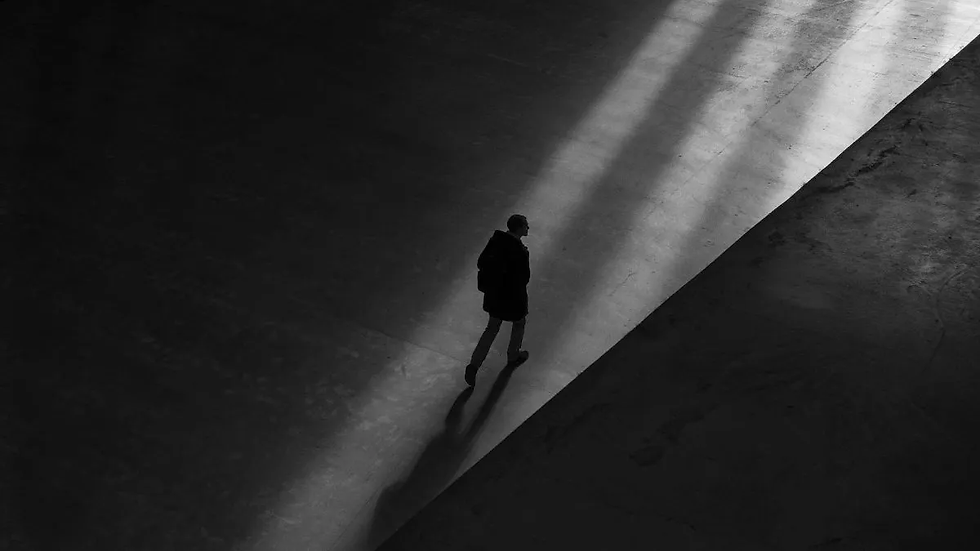
One of the most essential components of photography is lighting, which is also one of the most challenging to manage. Understanding shadows is one of the lighting's most important components. Shadows can be used to do is provide depth and texture to a picture or to produce a sense of suspense or mystery.Hard shadows, soft shadows, and silhouettes are the three primary shadow kinds that can be used in photography.
When there is a very strong light source and the subject is very close to the light source, hard shadows are produced. Consequently, a sharp, defined shadow is produced. To add drama or contrast to an image, one can include hard shadows.
When the light source is farther from the subject, soft shadows are produced. As a result, the shadow is softer and less distinct. Soft shadows can be employed to give an image a feeling of brightness and airiness.
A silhouette is produced when a very bright light source backlights the subject. A dark shadow is created around the topic as a result. A silhouette can be used to add drama or mystery to an image.
Shadows are an essential element of photography and can be used to produce a wide range of effects. Try out various lighting settings and shadow kinds to find which fits you and your subject matter the best.


Comments